Rat Bones
Rat Bones

While many of us would probably feel very unsettled if we saw a rat in our homes or workplaces, the colonists at Jamestown would have been very familiar with these scurrying rodents. Black rats (Rattus rattus) ran rampant throughout the congested and unsanitary city streets of early 17th century London. Only a few decades after the establishment of Jamestown, black rats carrying infected fleas would be the cause of the Great Plague of London, killing an estimated 100,000 people in just 18 months.

Rats were also prevalent aboard ships, making their way into cargo holds and eating and contaminating food supplies. It is believed that black rats were first introduced to the Americas during Christopher Columbus’ 15th century journey to the New World, and subsequent voyages by additional European settlers brought even more rats. This unintentional introduction had major consequences to the environments in which the Europeans explored and settled, as black rats severely impacted native animal populations and contributed to the spread of disease within newly established colonial settlements and among local Indigenous populations.  

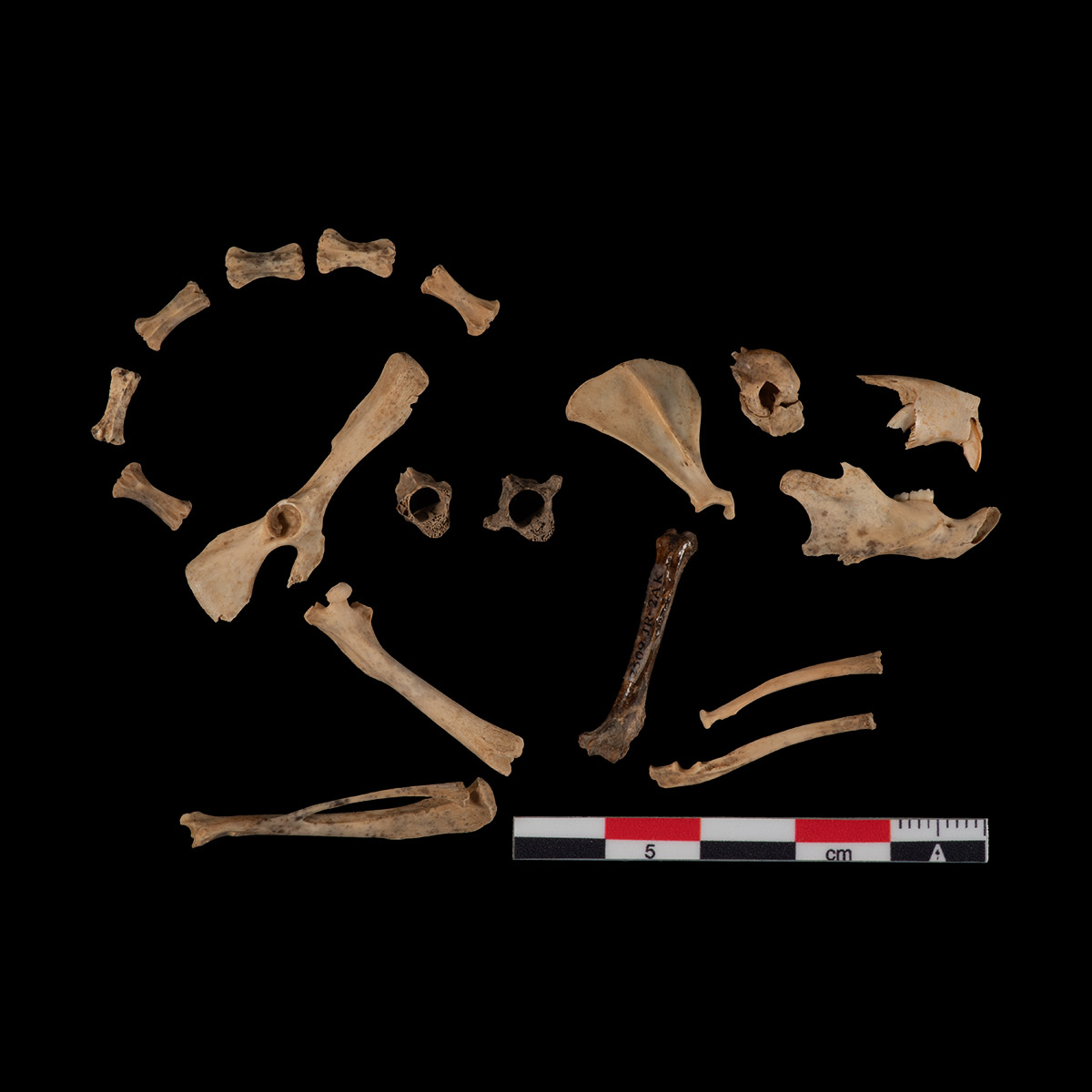
Though black rats were dominant in North America for several decades, the introduction of the much larger and more aggressive brown rat (Rattus norvegicus) in the 18th century altered this dynamic. Brown and black rats compete for the same resources and occupy similar ecological niches, making it harder for the smaller, more reclusive black rats to thrive. It was originally thought that brown rats didn’t arrive in North America until the second half of the 18th century. However, new research using Jamestown’s rat bones indicates that brown rats likely arrived in the Americas as early as 1720-1740. Today, brown rats are the most common rat found in the United States, with an estimated population between 150 and 175 million — that’s about one rat per every two people in the country!

At Jamestown, it was known that the rats were contributing to the colonists’ difficulties, with John Smith describing how some food stores were, “so rotten with the last Summers rayne, and eaten with Rats and Wormes, as the Hogges would scarcely eate it.” A more dire quote from Smith describes how quickly the rats bred and the impact their increasing populations had on the colonists’ survival: “In searching our casked corne, we found it halfe rotten, and the rest so consumed with so many thousands of Rats that increased so fast, out there originall was from the ships, as we knew not how to keepe that little we had. This did [drive us] all to our wits end, for there was nothing in the country but what nature afforded.”

During the Starving Time, rats were one of many animals the colonists resorted to consuming despite their status as vermin. George Percy, in one of the most notable quotes relating to this period, wrote, “Then, having fed upon horses and other beasts as long as they lasted, we were glad to make shift with vermin, as dogs, cats and mice.” The archaeological record at Jamestown reflects this dietary shift, with features like the First Well and the Kitchen/Cellar, which were filled with trash after the Starving Time in the spring of 1610, containing large quantities of bones identified as Rattus rattus or Rattus sp., including many with butchery patterns.