Potential 2026 Field School Dig Sites

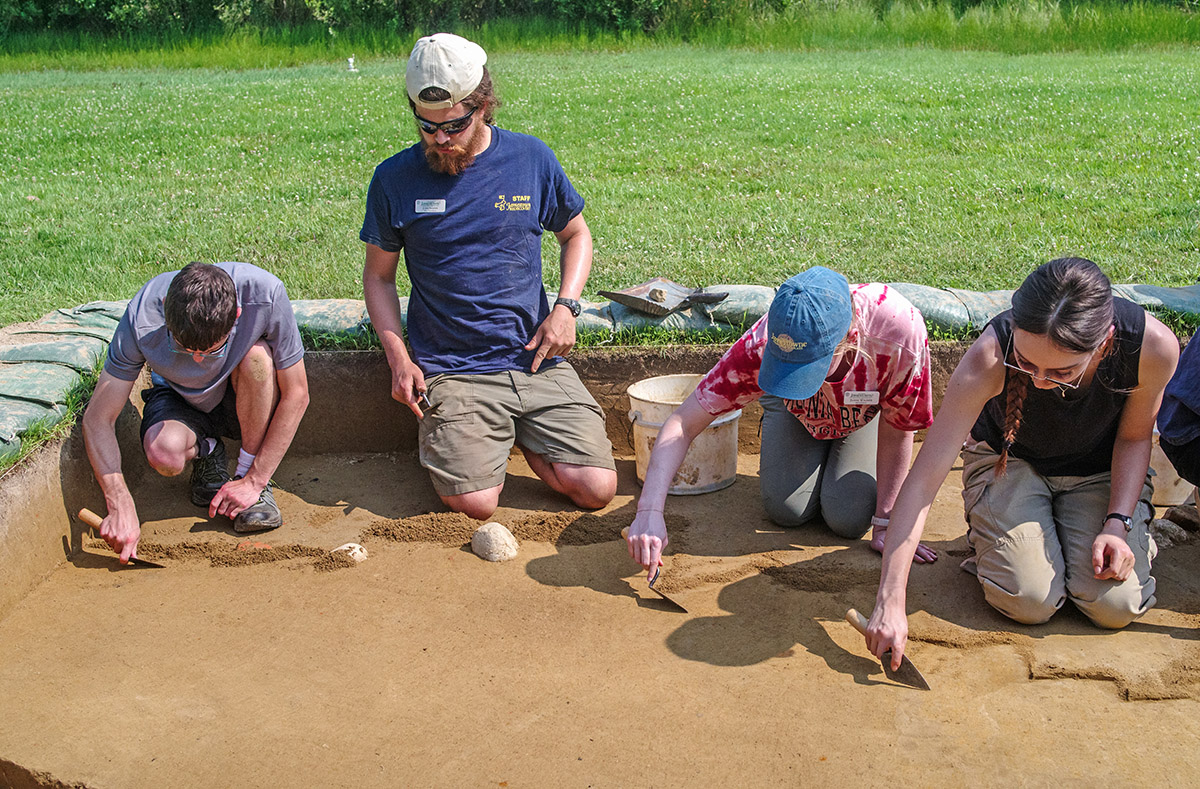
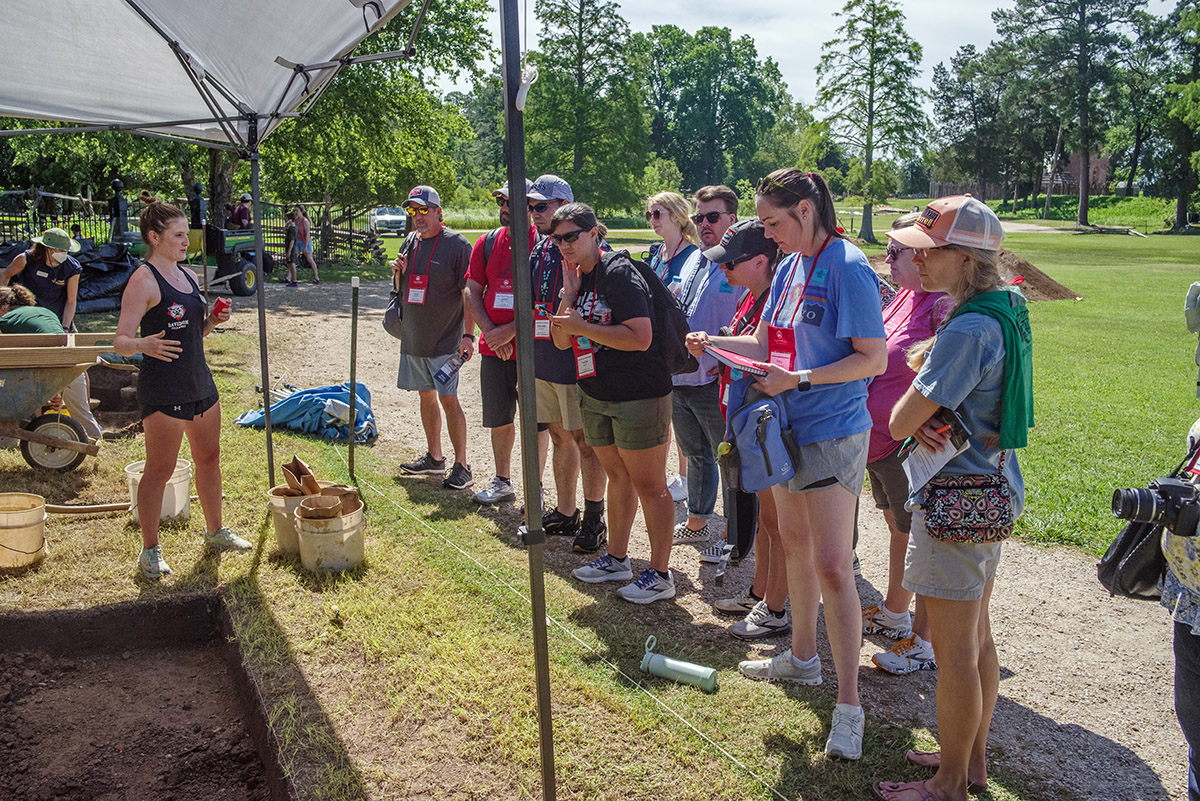
Field school students and staff trowel a test unit at the North Field site.

The past few Field Schools have focused on a variety of different projects across Jamestown. Students have worked on a late 17th-century borrow pit, a ca. 1617 well, a ca. 1610-1640 burial ground, and a late 17th-century cellar site. This year, students will rotate through two different projects: revisiting a ca. 1630s midden and searching for Fort Pocahontas’ artillery barracks.

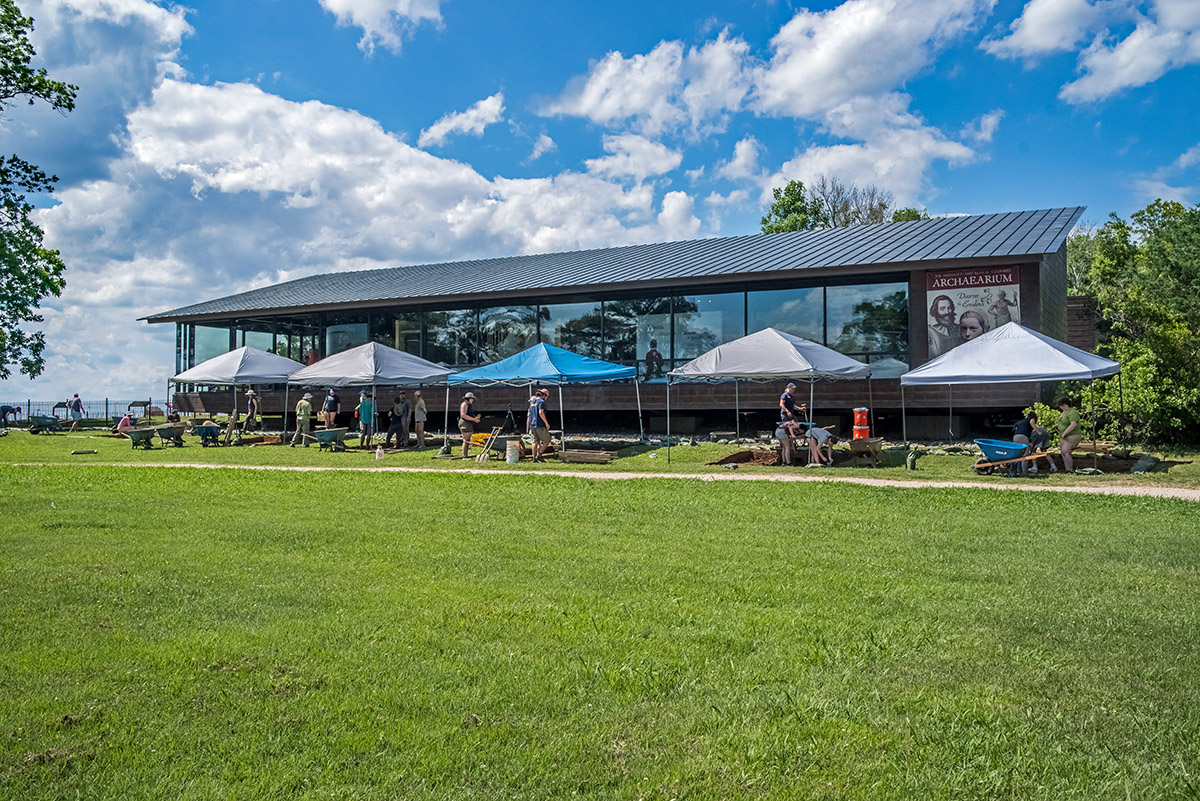
The excavations in front of the Archaearium

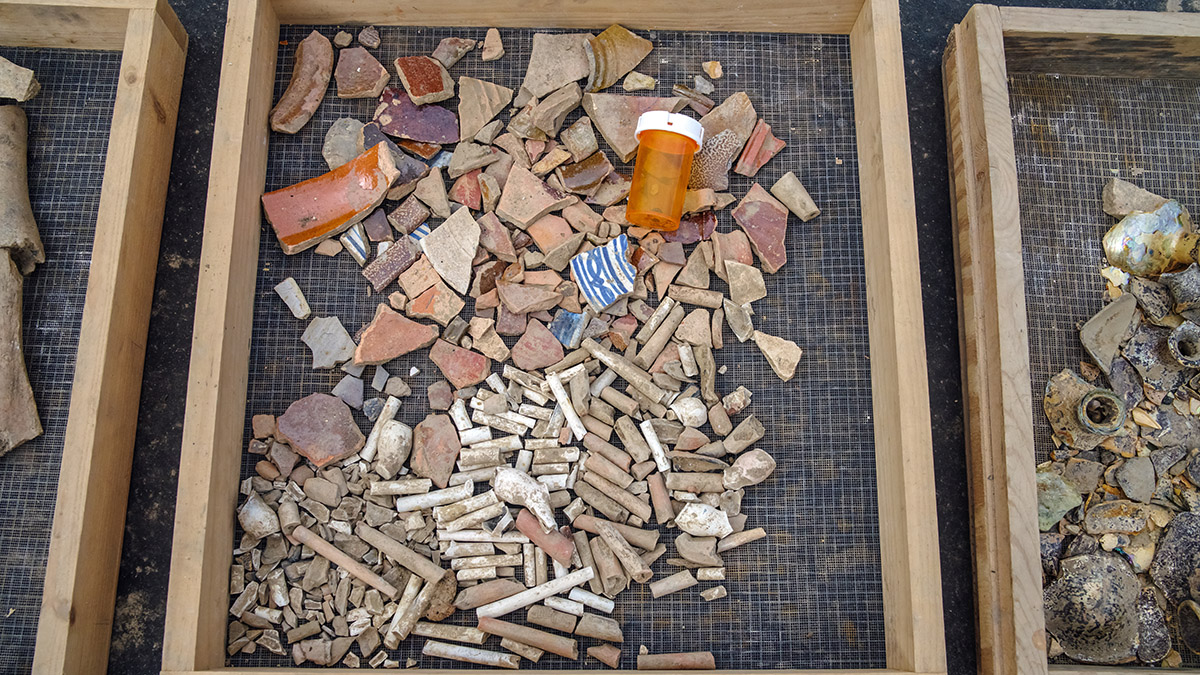
A portion of our 2026 program will return to 1607 James Fort. From 2020-2021, Jamestown archaeologists conducted excavations just outside of the eastern bulwark of the Fort, adjacent to the eastern terminus of the Seawall. This dig yielded a high concentration of artifacts from the second quarter of the 17th century as it was the location of a massive midden (Midden 1). These artifacts included tokens and jettons, several broken case bottles, both local and imported tobacco pipes, faunal remains, game pieces, weapons and armaments, tools, and a variety of ceramics. Beneath the midden, the team was also able to identify portions of outwork trenches for the east bulwark, dating to the first years of James Fort. We will open up more test units just west of this previous excavation, where we will hopefully uncover a larger portion of Midden 1, as well as early 17th-century deposits. We will also revisit other spaces to the north in James Fort, near the present-day Memorial Church.

A sample of artifacts excavated in 2021 from Midden 1
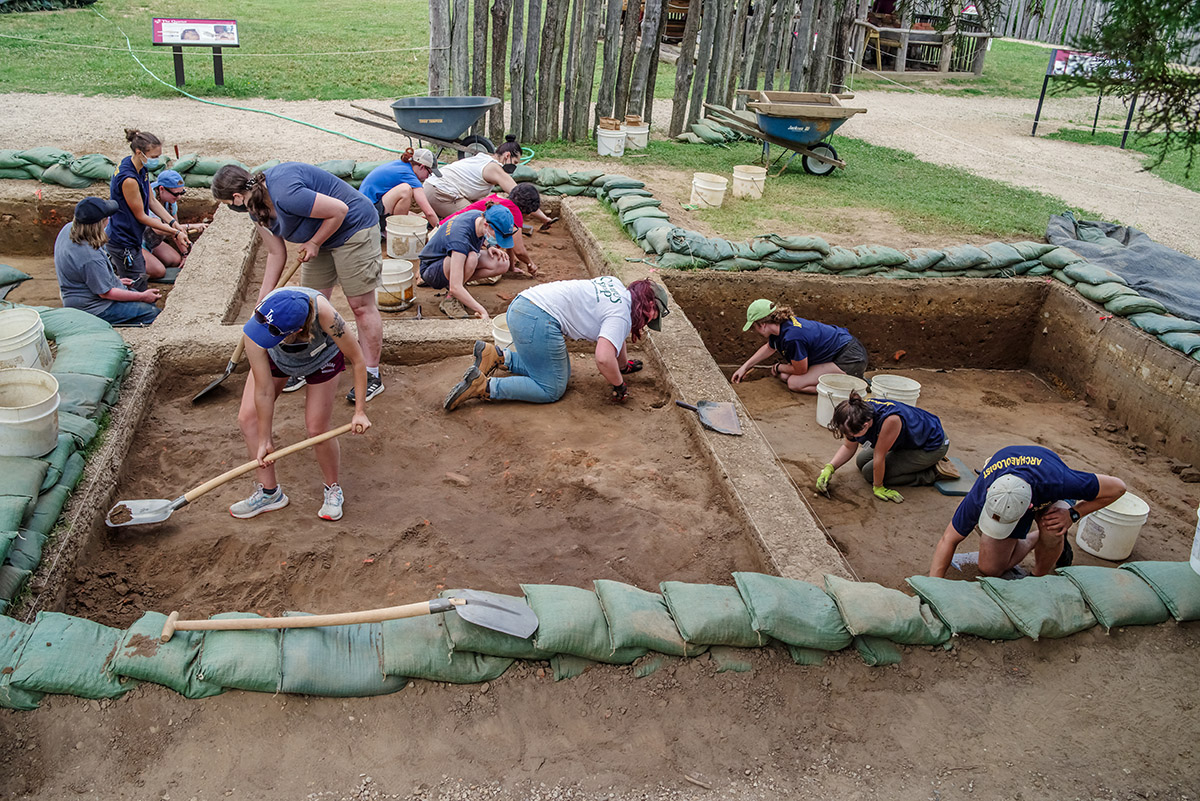
Field school students and staff work together excavating and cleaning test units.

Excavations this year will also expand beyond James Fort and 1607. One of our newest initiatives focuses on the Island’s Civil War history. Specifically, the Jamestown 1862 Project is exploring where “Contraband” individuals lived during that conflict. After the Confederacy abandoned Jamestown Island in 1862, it fell into Union hands, and became a haven for people escaping enslavement. These African American men and women — dubbed “contrabands” by Union officials — repurposed Confederate barracks associated with Fort Pocahontas as temporary homes. This summer, students and staff will continue to search for the location of these barracks.

A field school student talks to visitors about the Archaearium site.

While we have access to a Civil War-era map depicting all Confederate military structures on Jamestown Island, it is not to scale. Therefore, we are systematically excavating outside of Fort Pocahontas to pinpoint the exact location of the barracks. The discovery of these barracks will help tell a more complete story of Black history at Jamestown. If you would like to read more about this project, visit the webpage here.