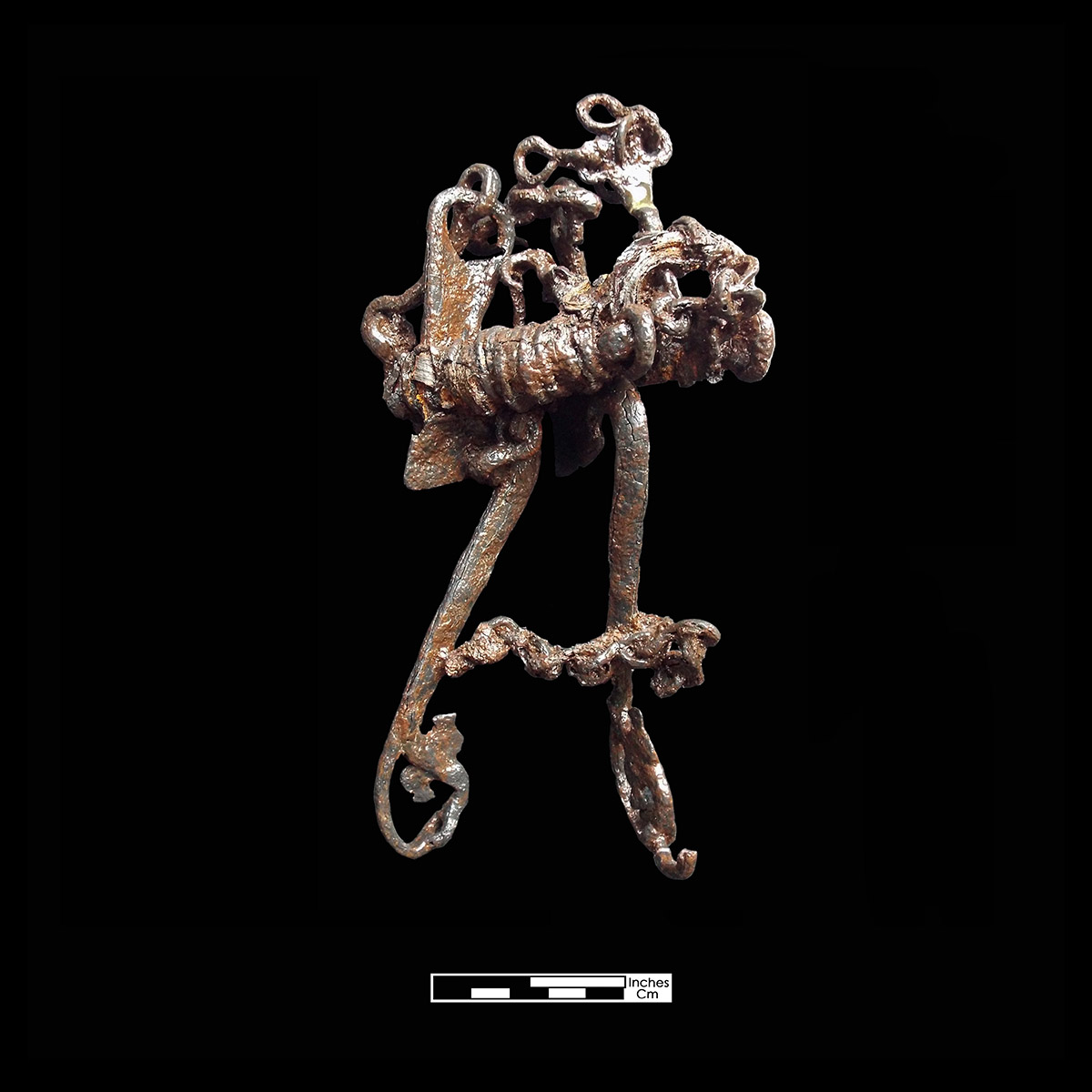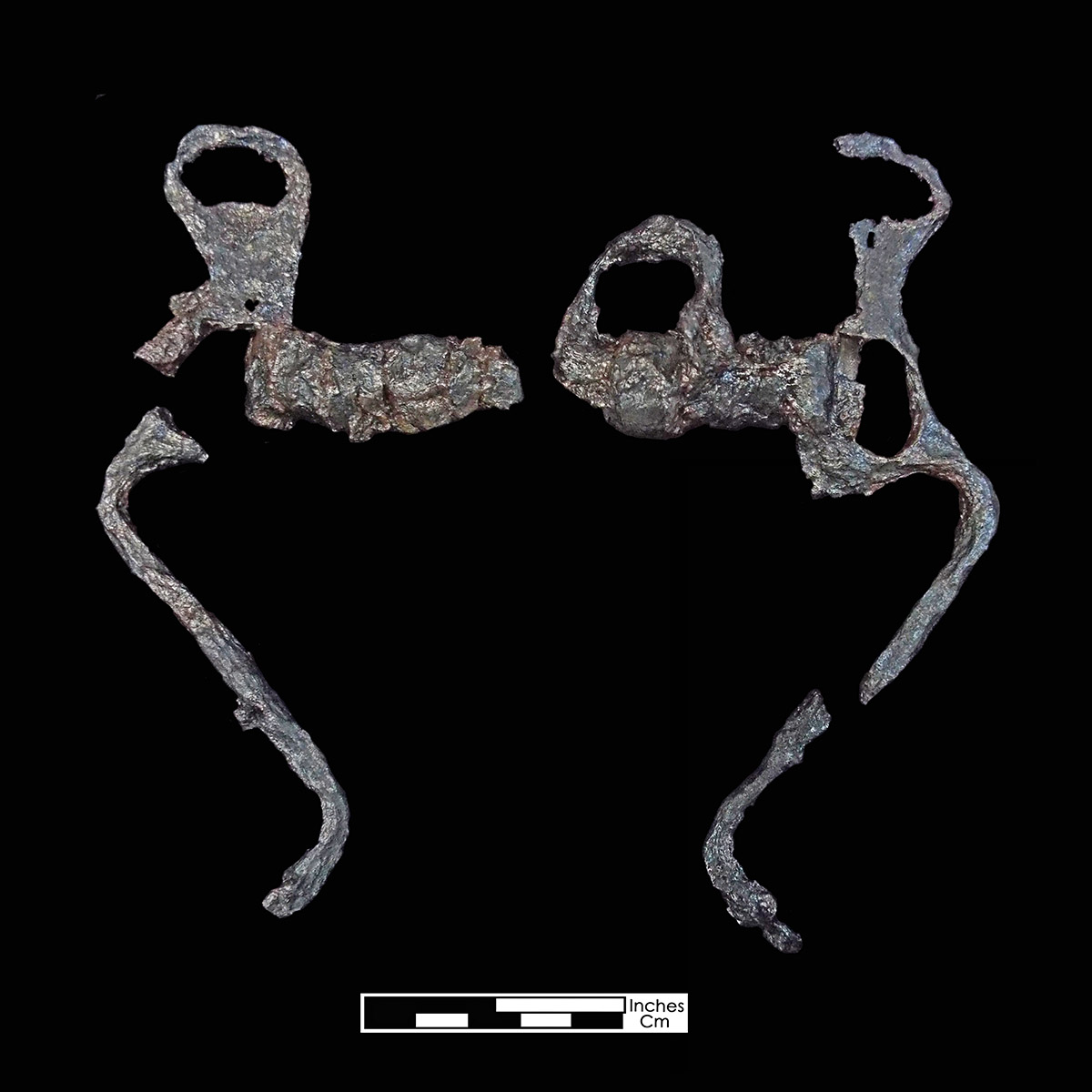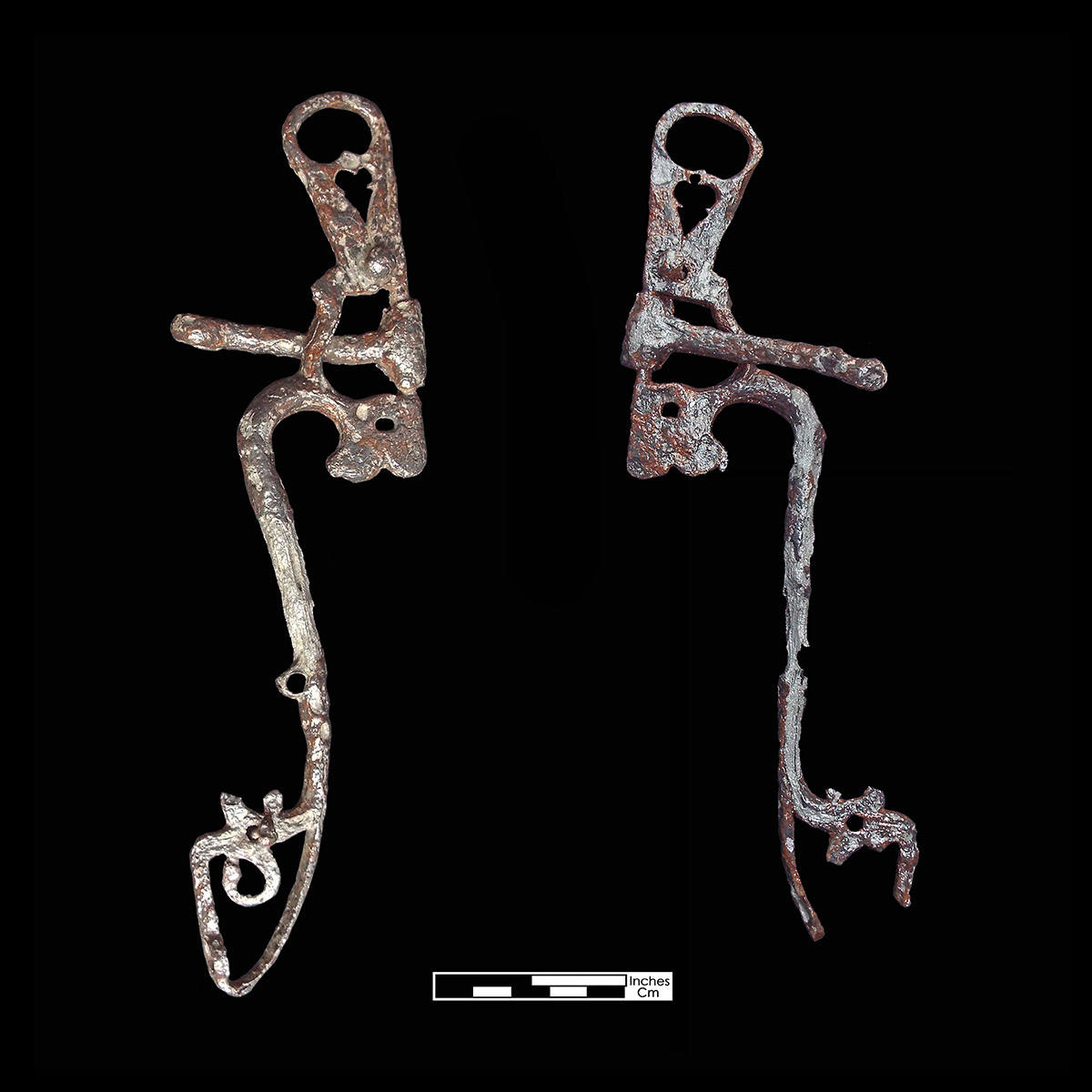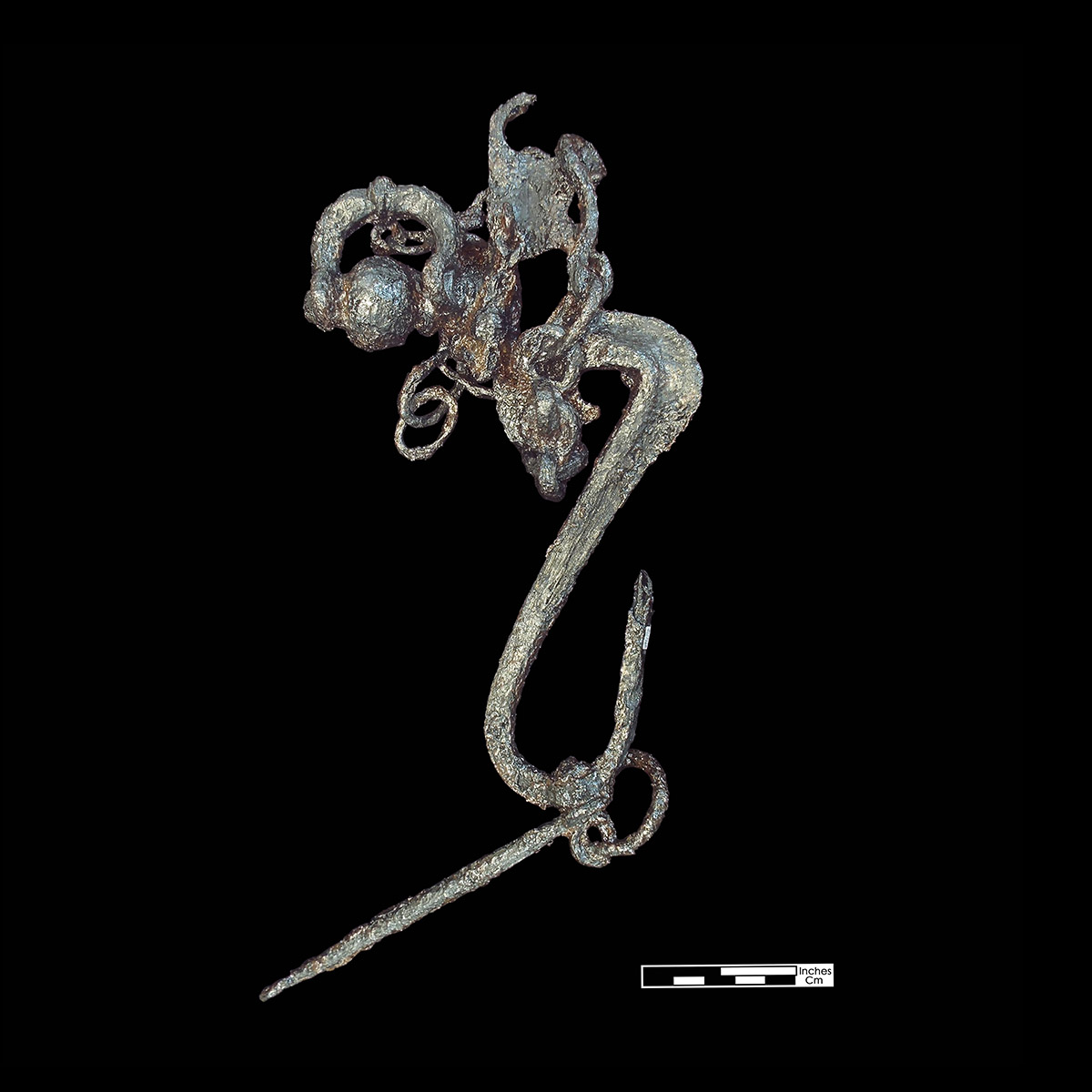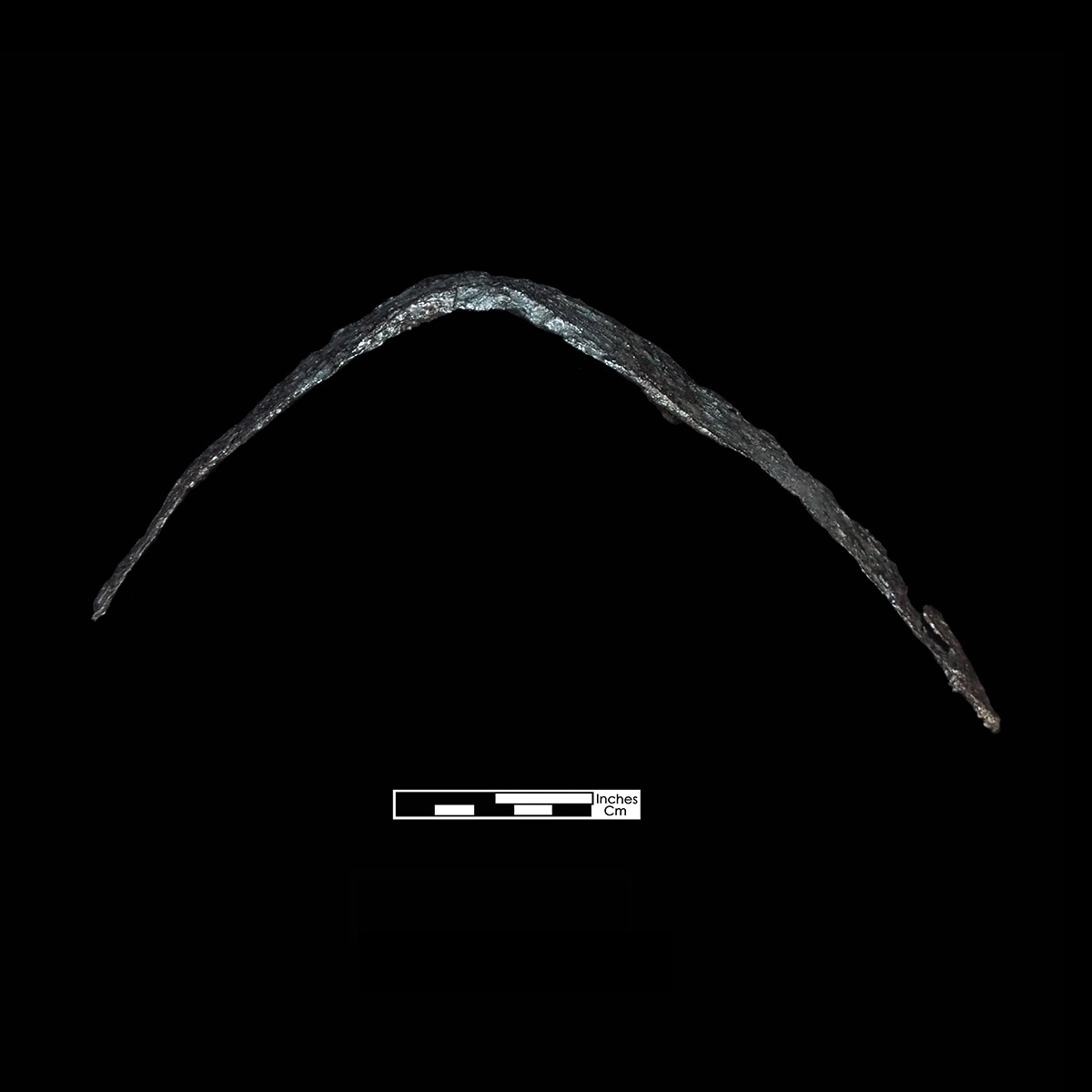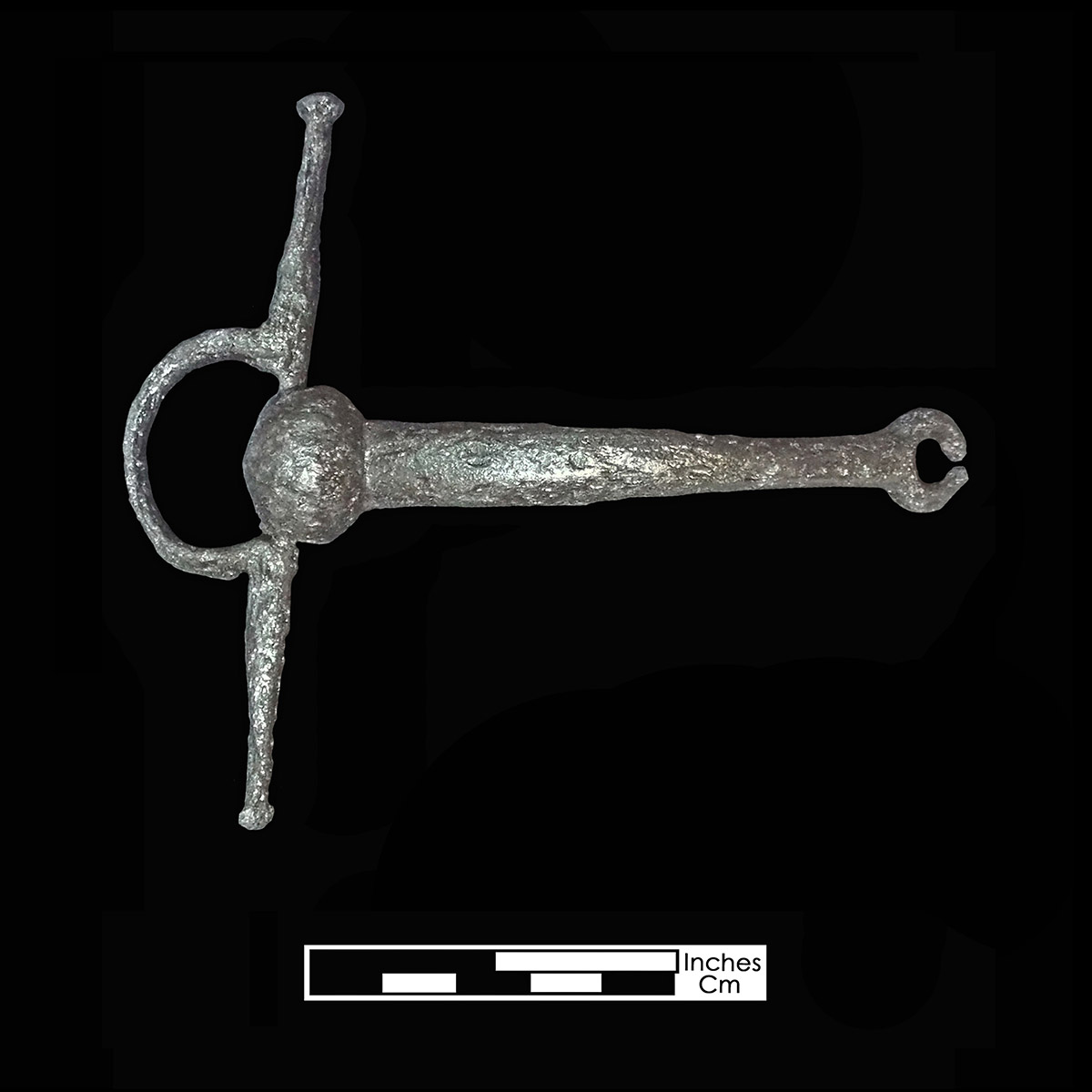
17th century curb bit
17th-century curb bit

The term horse furniture encompasses all equipment needed for riding, such as saddles and bridles. Equestrians today refer to these items as tack. The earliest use of the term is attributed to the early seventeenth century in a publication of compiled accounts by Samuel Purchas in Hakluytus posthumus or Purchas his pilgrims: contayning a history of the world in sea voyages and lande travells by Englishmen and others. Within the compilation, the term was used several times in an account by the English ambassador to Russia in 1584.

“. . . His Horse was there ready most richly adorned, with a covering of imbrodered pearle and precious stones, saddle, and all furniture agreeable to it . . .” “. . . whose roabe, horse and furniture, was in register . . .” “. . . mounted upon goodly Horses with furniture accordingly.”

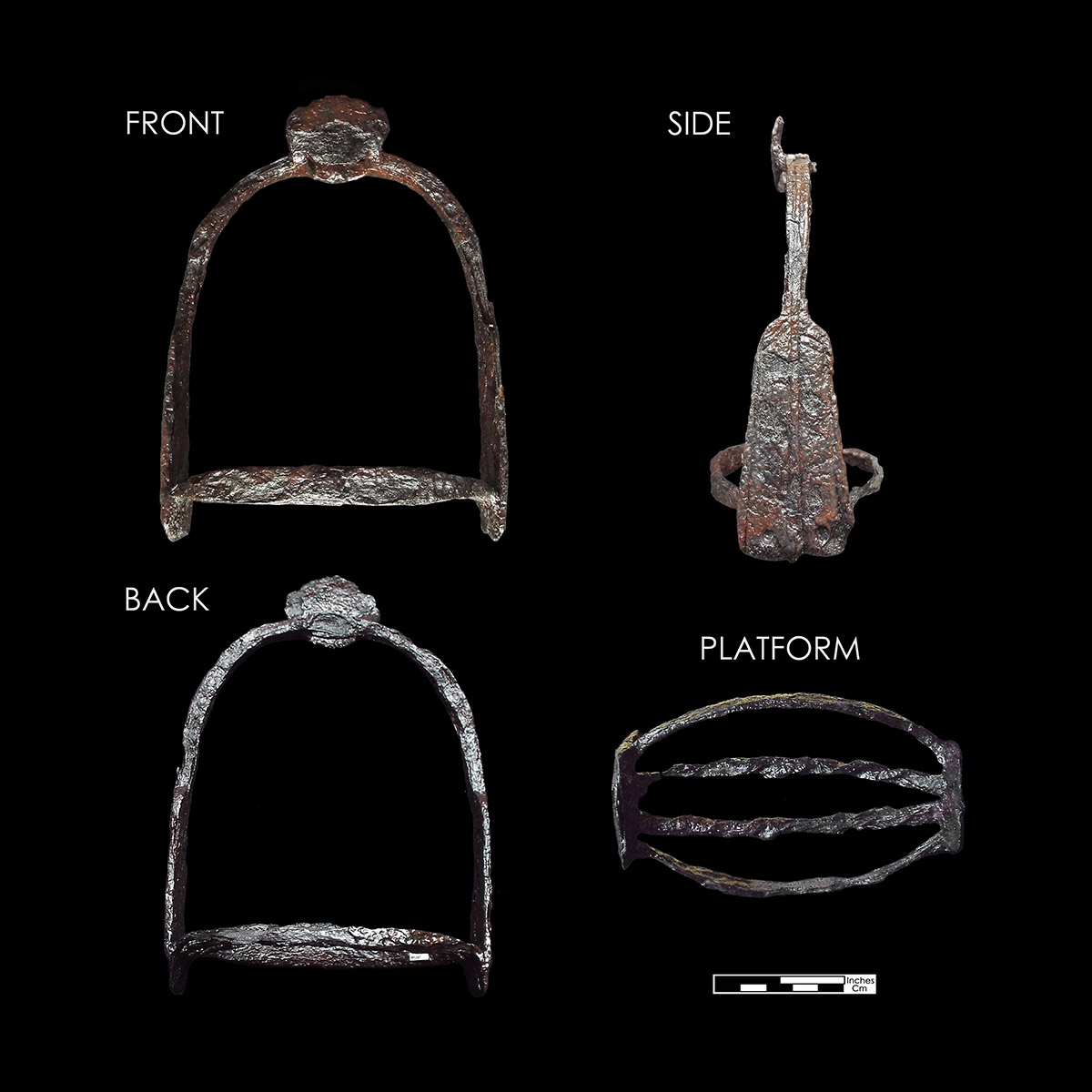
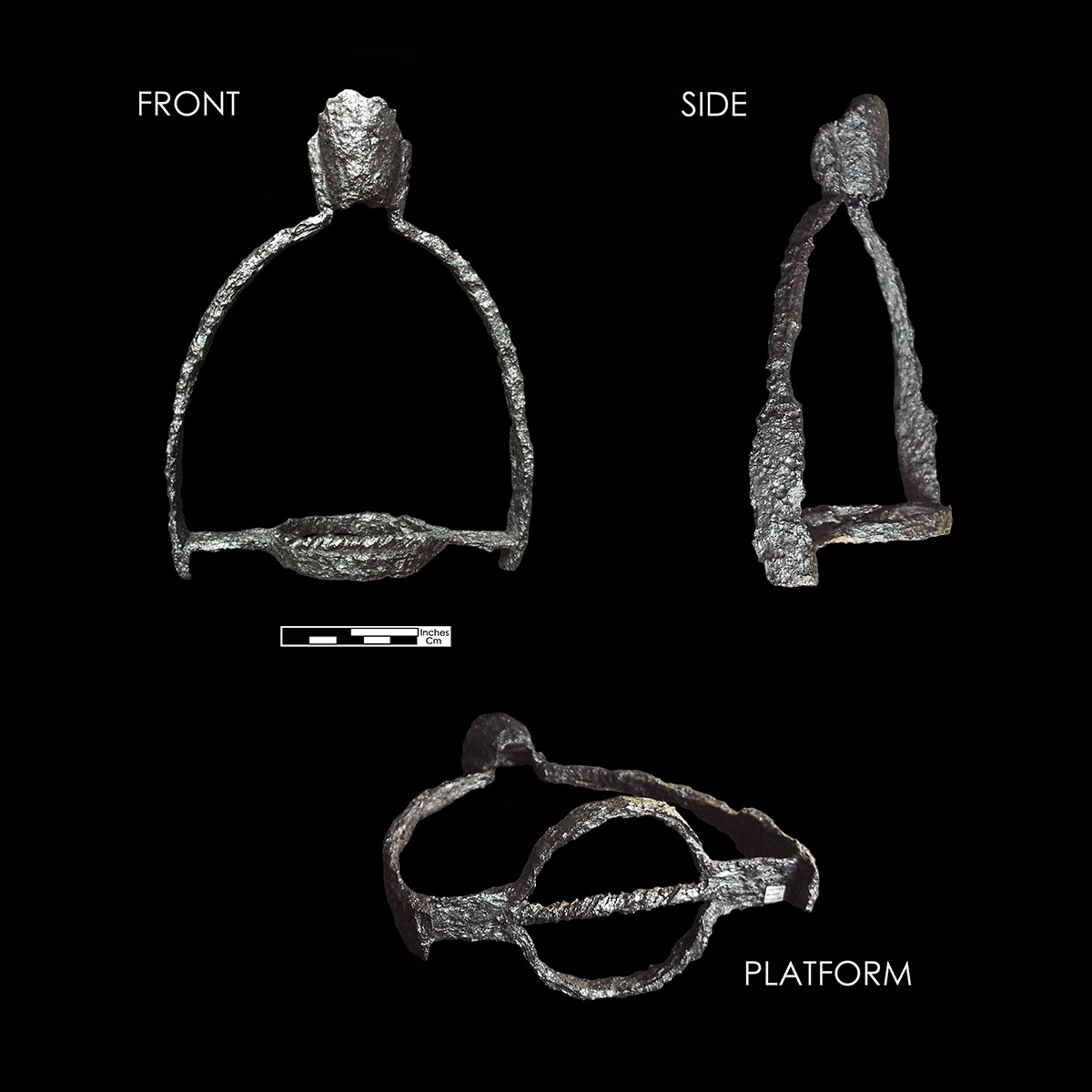
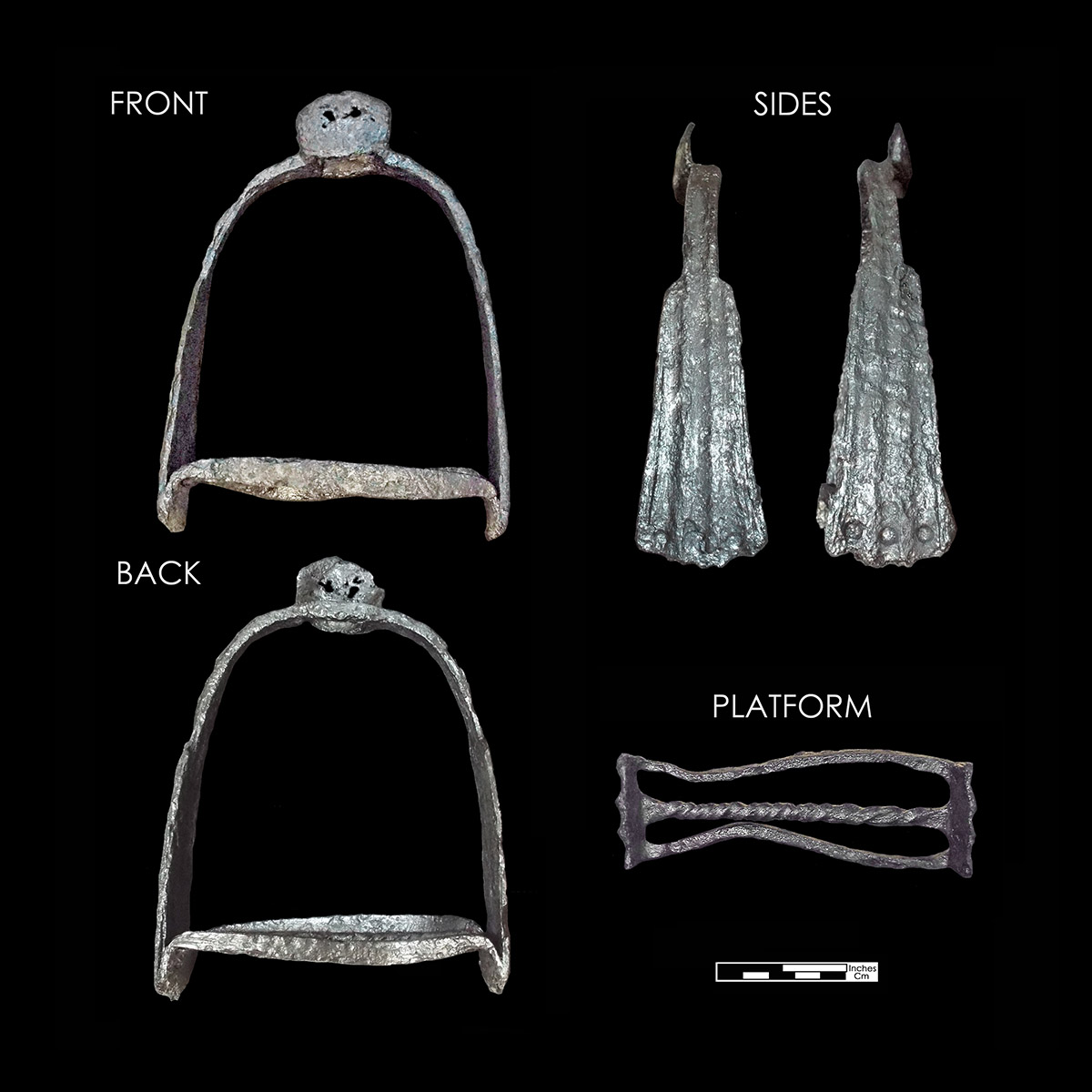
Jamestown’s collection contains an assortment of horse furniture from the seventeenth century. As is the case with tack today, the majority of the equipment was made of leather. Leather does not often survive archaeologically, so evidence of the equipment found by archaeologists is primarily the metal components. While some of these components such as stirrups and bits are clearly related to horse furniture, items such as buckles, straps, and rings are more difficult to attribute to function due to their wide spread use in other items.

Just two saddle parts have been identified thus far, both gullets. These pieces are made of a thin iron strap, making identification tricky as iron strapping had many uses in the 17th century. There are thousands of iron straps in Jamestown’s collection and much of it is broken, bent, or otherwise fragmentary due to the poor soil conditions. Though the gullets represent only two saddles at Jamestown, 12 stirrups have been recovered — including some matched pairs! This suggests that other saddles were likely brought over by the colonists, but have either degraded over time, or were never thrown away to make it into the archaeological record.

In terms of headgear, there are just over a dozen artifacts relating to bits. While some of these artifacts are large, complete pieces of curb or snaffle bits, others are fragmentary. As was the case with the stirrups, there are a couple matched sets of curb bits. Some of Jamestown’s curb bits are much more medieval than those you see on mid-seventeenth century sites.

Overall, approximately 7-8 sets of horse furniture from fort period contexts have been identified. This is consistent with documentary records that detail 8 horses brought to Jamestown in 1609 before being consumed during the Starving Time Winter. The early-mid seventeenth century saw an extremely slow influx of horses into the colonies after this, which could explain the lack of horse furniture from later contexts at Jamestown.

related images